How to Cook Vegetables: Matching Heat to What’s in the Produce Drawer
How to cook vegetables so they taste like something: which method suits which vegetable, oven and pan heat, when to salt, and how to tell they’re done.
Pick the method before you pick the recipe. Most disappointing vegetables are perfectly good vegetables cooked the wrong way: broccoli boiled when it wanted a 425°F oven, green beans roasted into leather when ninety seconds of steam would have done it, zucchini crowded four layers deep in a skillet where it stewed in its own water and came out gray. Heat, salt, and how much empty space you leave in the pan decide almost everything about how dinner tastes, and all three are free. A hotter oven, a heavier hand with the salt, and a second sheet pan will do more for a vegetable than anything you could add to the cart.
Below: the handful of techniques that cover nearly every vegetable, how to match one to whatever is wilting in your drawer right now, and the habits worth breaking first.
Why do home-cooked vegetables taste worse than restaurant ones?
Because a restaurant cook uses more heat, more salt, and more pan than you do, in that order. None of it is talent. A line cook runs a burner at a setting most home cooks are afraid of, seasons boiling water until it tastes like seawater, and cooks in batches because the pass will send back anything limp.
At home, the opposite happens by default. You dump the whole bag of Brussels sprouts on one sheet pan, because who wants to wash two. You put the pan in an oven that beeped but has not truly finished preheating. You salt at the table instead of during cooking. Every one of those choices pushes the vegetable toward steaming rather than browning, and steamed-by-accident is the flavor most people think of as “vegetables at home.”
The other thing restaurants do is separate cooking from serving. Green beans get blanched at three in the afternoon, shocked cold, and finished in a hot pan with butter thirty seconds before they hit the plate. That is why they arrive bright and snappy instead of olive-drab. You can steal that trick outright, and it is the single biggest upgrade available to anyone who cooks for more than two people at once.
Finishing matters too. Fat carries flavor, acid wakes it up, and a squeeze of lemon or a splash of vinegar over hot roasted vegetables does more for the plate than any spice blend. Restaurant cooks taste and adjust at the last second. Home cooks tend to season once at the beginning and hope.
What are the main ways to cook a vegetable?
Seven techniques cover nearly everything you will ever do to a vegetable, and each one does something specific to texture and flavor:
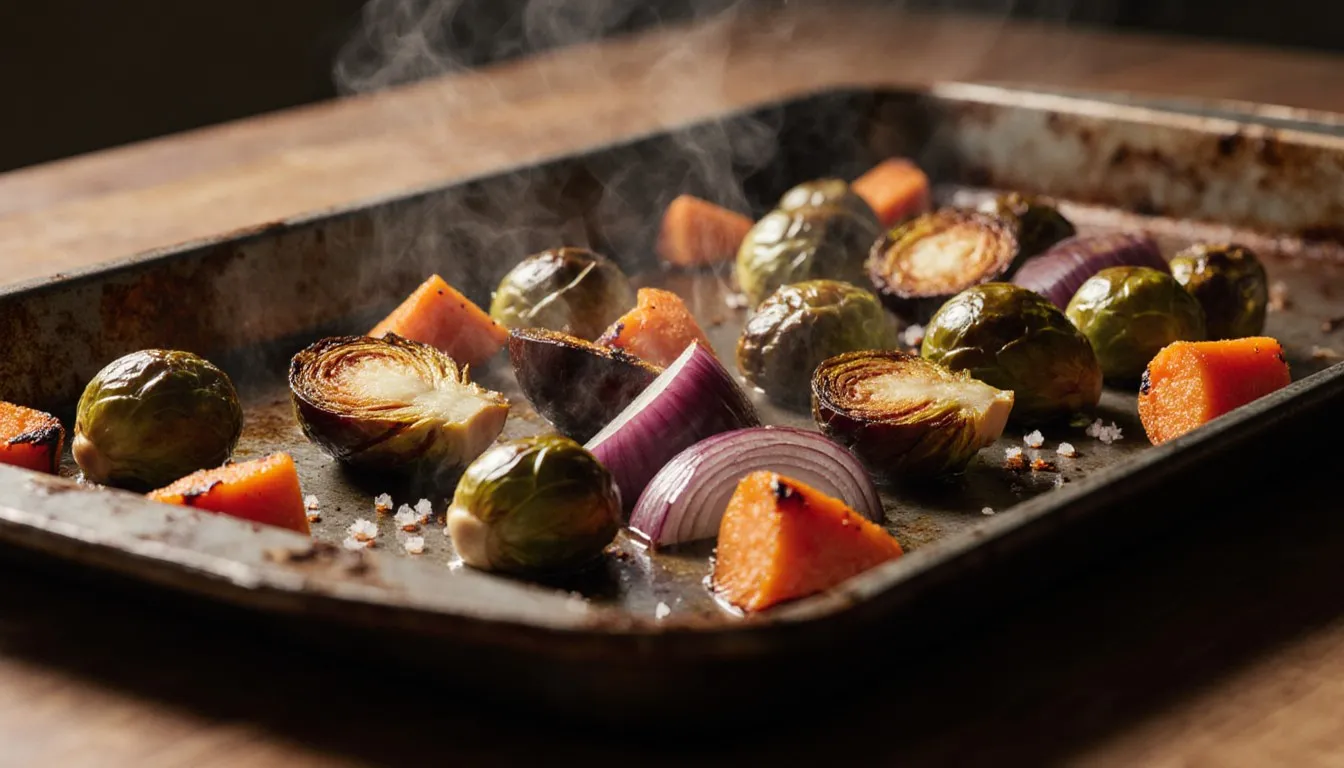
- Roasting: dry heat in a hot oven, usually 400 to 450°F (205 to 230°C). The surface dries out, the sugars concentrate, and the cut edges go dark and sweet, which is why roasted cauliflower tastes nutty and roasted carrots taste like candy. You can smell the moment it turns the corner, somewhere around the thirty-minute mark. Best for dense vegetables and anything you want sweet and caramelized.
- Sautéing and stir-frying: small pieces, a very hot pan, a thin film of high smoke point oil, and hands that keep moving. The sound tells you it is working, a hard steady sizzle rather than a polite one. This is my Tuesday method, because it turns a cutting board of odds and ends into a side dish in the time the rice takes. Best for quick-cooking vegetables cut small enough to finish in minutes.
- Steaming: moist heat with the vegetable held above the water. Nothing browns, so nothing tastes caramelized, but the color comes up bright and stays there and the flavor is clean and green. Lift the lid when the smell shifts from grassy to sweet, which is earlier than most people expect. Best when you want a vegetable to taste like itself, or as the first step before dressing or sautéing.
- Blanching: a brief plunge into heavily salted boiling water, then straight into ice water. The green flares up almost the second the beans go in, tough fibers give, and the ice bath stops everything cold before that color has a chance to dull. Think of it as the setup for something you will finish later.
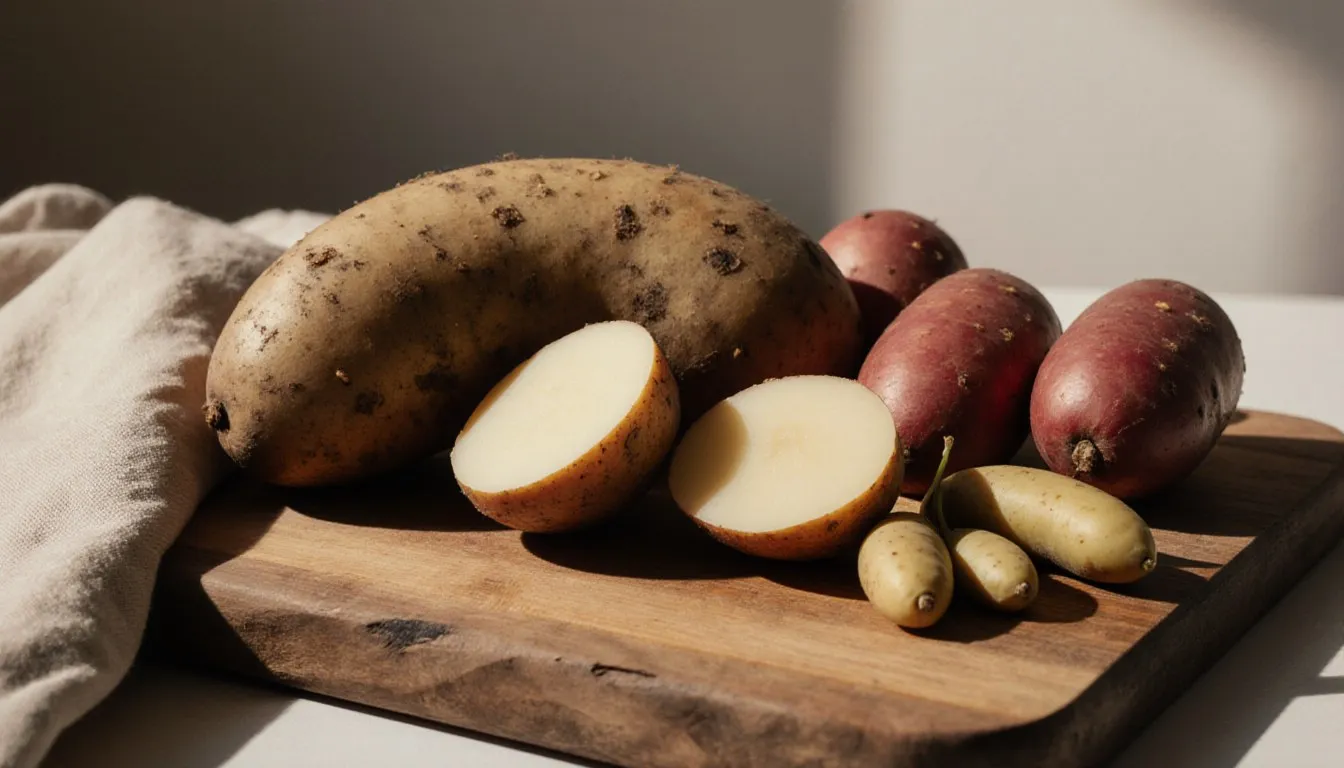
- Boiling: full submersion in salted water. Flavor and color leach out into the water, and some of the vitamins go with them, which is fine when the water becomes part of the dish or when the vegetable is headed for a masher. Taste the water with a spoon before you commit two pounds of potatoes to it, because bland water in means bland potatoes out. Best for potatoes, dried beans, corn on the cob, and soup.
- Grilling: dry heat plus direct flame and smoke. A little char on the edges tastes wonderful, and once it spreads across the whole face it tastes like an ashtray, so move things the moment the smoke smells sharp instead of sweet. Best for sturdy pieces big enough not to fall through the grate.
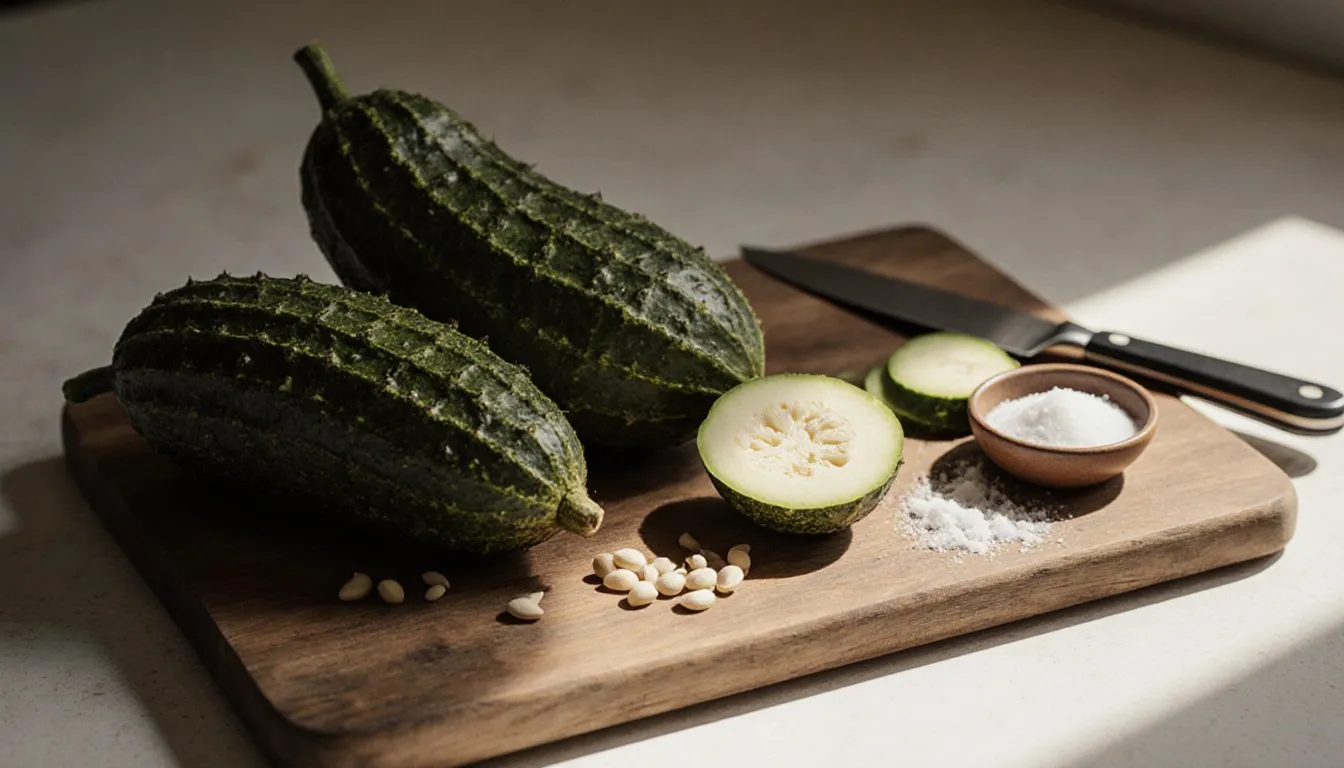
- Raw: no heat, which means the knife is the technique. How thin you slice, how you salt, and how long the vegetable sits in its dressing are the whole recipe. Salt a sliced cucumber ten minutes early and it goes limp on you, so time that step to when people are actually sitting down.
The microwave belongs on the list too, and I will not apologize for it. A covered bowl with a splash of water is a steamer, and it is a genuinely good one for hard winter squash and for cutting the cooking time on dense roots before they go into a hot pan. It browns nothing, so it is a first step rather than a finish, but the people who sneer at it have never had to get dinner out on a Tuesday.
Braising sits slightly outside this list because it is a hybrid, a little fat, a little liquid, a lid, and time. It is what rescues tough greens, cabbage wedges, and fennel, and it turns out something soft and deeply savory rather than crisp. Worth knowing it exists so you have somewhere to go when a vegetable resists everything else.
How do you pick the right method for the vegetable you’ve got?
Ask two questions: how dense is it, and how much water does it hold? Density tells you how long heat needs to travel to the center. Water content tells you whether the vegetable will brown or steam when it hits the pan. Those two answers put almost anything into one of three groups.
Dense and starchy. Winter squash, potatoes, sweet potatoes, carrots, parsnips, turnips, rutabaga, celery root, beets. These want long dry heat: roasting, or a parboil followed by roasting when you want the outside crisp and the inside fluffy. They can take an hour and thank you for it. They are also the group most likely to be undercooked in the middle while looking done on the outside, so cut them into even pieces and use the knife test rather than the clock. Hard squash is a wrestling match before it ever reaches the oven, and how to cook squash walks through the peeling, the seeding, and which varieties repay the effort. If you came home with a kohlrabi or a celery root and no plan for it, unusual and root vegetables sorts out that whole knobby tier.
Firm and quick-cooking. Broccoli, cauliflower, Brussels sprouts, green beans, asparagus, snap peas, bell peppers, onions, fennel. This group is where high dry heat pays off fastest, because there is enough structure to hold up and enough sugar to brown. They also steam beautifully when you want them plain and bright. The window is narrow: the difference between snappy and sad is often three minutes. Asparagus is the poster child for that narrow window, and how to cook asparagus is worth reading before spring hits.
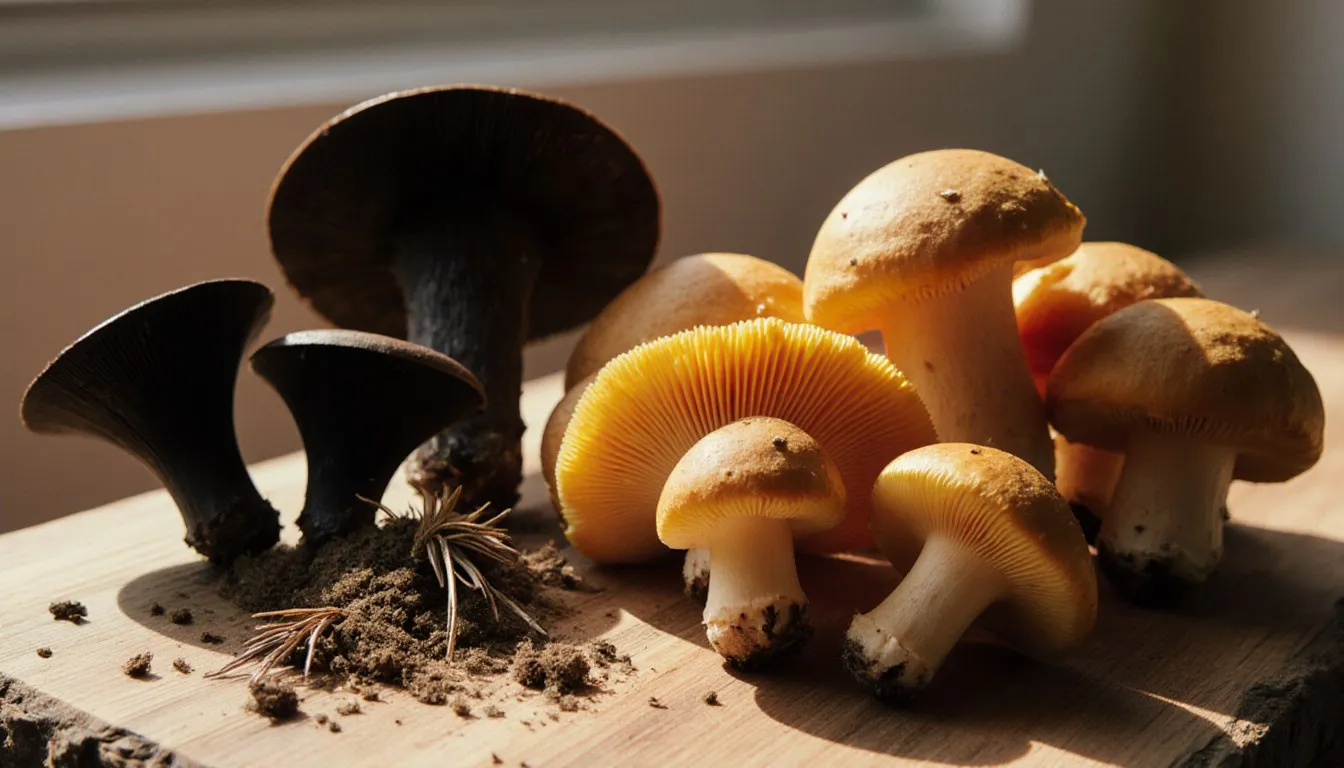
Watery and tender. Spinach, chard, kale, cabbage, zucchini and summer squash, mushrooms, tomatoes, eggplant. These release a lot of liquid, which means they either go fast and hot enough to evaporate it as it leaves, or slow and low enough that you want the liquid anyway. The failure mode is the middle: medium heat, crowded pan, everything gray. Kale wants real time in the pan and baby spinach wants about ninety seconds, which is the sort of thing cooking greens and cabbage settles bunch by bunch. Tomatoes play by their own rules, since all that water is the sauce rather than the enemy, and cooking with tomatoes is built around exactly that. Mushrooms are fussier about pan space and salt timing than anything else on this list, and edible mushrooms goes through them variety by variety.
Here is the short version, the one I would tape inside a cabinet door if I taped things:
- Root vegetables and winter squash: roast at 425°F, cut in even chunks, 30 to 50 minutes. Done when a knife tip slides in with almost no resistance and the edges have gone dark gold.
- Broccoli, cauliflower, Brussels sprouts: roast at 425°F in a single layer, or sauté in a screaming hot pan. Done when the edges are browned and a stem yields to a fork but still pushes back.
- Green beans, asparagus, snap peas: roast hot and fast, steam, or blanch and shock. Done when the color turns bright and one bite snaps rather than bends.
- Leafy greens: sauté in a hot pan with garlic, or braise the tough ones. Done when they have collapsed and the raw grassy smell has turned mellow.
- Zucchini, summer squash, eggplant: high heat, dry surface, no crowding. Grill or sauté rather than roast at a moderate temperature. Done when browned on the cut faces and just tender through.
- Mushrooms: hot dry pan first, fat and salt after they have released and reabsorbed their liquid. Done when they squeak less and smell toasty.
- Potatoes: boil for mashing, parboil then roast for crisp, and take the salted water seriously. Done when a knife goes through without the potato clinging to it.
- Tomatoes: raw when good, roasted slow when mediocre. Done when the skins split and the edges have caught color.
- Cabbage: wedges roasted cut-side down at high heat, or shredded and sautéed fast. Done when the cut faces are deeply browned and the layers separate under a fork.
Two things override all of it. Size beats species: a carrot cut into coins cooks in a fraction of the time the same carrot takes whole, so cut pieces uniform and cut them to the method. And freshness sets the ceiling. A limp bunch of asparagus cannot be roasted into something great, only into something acceptable, and knowing that up front will save you from blaming your oven.
How hot should the oven or pan be?
Hotter than you think, on both counts. For roasting vegetables, 400 to 450°F (205 to 230°C) is the working range, and 425°F is the number I default to for almost everything. At lower oven temperatures, most vegetables release moisture faster than the oven can carry it away, so they sit in their own steam and come out soft and pale. The browning that makes roasted vegetables taste like a treat needs a dry, hot surface, and you only get that when the heat outpaces the water.
Preheat properly. That beep means the air has hit temperature, not the oven walls and racks, and a sheet pan going into a half-heated oven loses you the first ten minutes of browning. Give it another ten minutes past the beep. For dense pieces and for anything you want crisp underneath, preheat the empty sheet pan in the oven and let the vegetables hit hot metal, which starts the browning on contact instead of after the pan catches up.
On the stovetop, the pan should make you slightly nervous. If you can hold your hand comfortably over the skillet, it is a warm pan and not a hot one, and warm pans make gray food. Heat the dry pan first, then add oil, then wait for it to shimmer and move like water when you tilt it. A vegetable dropped into properly hot oil sizzles hard and immediately. If it goes in with a polite hiss, pull it back out and wait.
Use a fat that can take the heat: grapeseed, refined avocado, peanut, or plain vegetable oil for high-heat work. Extra-virgin olive oil is fine for roasting at 425°F and lovely for flavor, but it will smoke and turn acrid in a ripping-hot skillet. Butter goes in at the end, once the browning is done, where it can taste like butter instead of burning.
Grilling wants the same discipline: a hot grate, oiled vegetables rather than an oiled grate, and pieces cut wide enough that they cannot dive through the grate. If you are cooking something dense over fire, set up two zones, sear over the hot side and finish over the cooler one, the same way you would with a thick chop.
When do you salt, and why does it matter so much?
Salt pulls water out of vegetables, so the timing decides whether you get browning or steaming. That one sentence explains every rule below.
Roasting: toss with oil first so the salt has something to stick to, then salt right before the pan goes in the oven. Salting and letting a bowl of cut vegetables sit for twenty minutes draws beads of water to the surface, and that water hits the hot pan as steam. If you have prepped ahead, keep the salt in the shaker until the last minute.
Sautéing: the timing depends on what you want. Salt onions early and they release water, soften, and go sweet. Salt mushrooms early and they weep into a puddle and simmer; salt them after they have given up their liquid and reabsorbed it, and they brown. For quick green vegetables, salt at the end so the surface stays dry while it is browning.
Boiling and blanching: salt the water aggressively, and salt it before the vegetables go in. This is the only chance you get to season a vegetable from the inside rather than the outside, and unsalted water pulls seasoning out of the food rather than pushing it in. Salt it until it tastes like the ocean, and long story short, nobody who cooks well has ever measured this part.
Draining on purpose: there is one case where you want salt to pull water out, and that is eggplant and, sometimes, watery summer squash. Salt the cut pieces, let them sit and sweat, blot them dry, and then cook. Less water means better browning and less oil soaked up in the process.
Finish with a second, smaller seasoning at the end: flaky salt for crunch and a hit of acid, lemon, vinegar, a spoonful of pickle brine. Hot vegetables absorb acid readily, and the brightness is usually the thing missing from a plate that tastes fine but flat. Pepper and dried spices go on with the oil before roasting so they toast; delicate fresh herbs go on after the heat is off, or they turn to hay.
What is blanching, and when is it worth the extra pot?
Blanching is a short plunge into heavily salted boiling water followed immediately by an ice bath. The boiling water cooks the vegetable partway and sets the green pigment brighter than it was raw. The ice water stops the cooking cold, which is the part people skip and the part that matters. Skip the shock and the vegetable keeps cooking on its own heat right through the window you were aiming for.
Most green vegetables need somewhere between one and four minutes in the water, depending on thickness, which is why blanching feels fussy the first few times and automatic after that. Thin asparagus and snap peas are at the short end. Thick broccoli stems and green beans sit at the long end. The full method with a proper timing table is in blanching vegetables.
It earns the extra pot in four situations. When you are cooking for a crowd and want everything to hit the table hot at once, blanch in the afternoon, shock, drain, refrigerate, and finish in butter or oil at the last minute. When you are freezing garden produce, a blanch before freezing is standard practice because it slows the enzyme activity that dulls color and flavor in the freezer over the following months. When you want bright, crisp-tender vegetables in a cold salad or a crudité platter. And when you are dealing with something tough or bitter, where a quick pass through boiling water takes the hard edge off before the real cooking starts.
It is not worth it when the vegetable is going straight into a hot oven or a stir-fry anyway. Blanching a head of broccoli you intend to roast just adds water you then have to drive back off, plus a second pot and a colander to wash. Dry is the friend of browning, every single time.
When is a vegetable actually done?
Go by resistance, color, and smell, and treat the clock as a suggestion. Ovens run hot and cold, pieces come out different sizes, and a recipe’s timing was written for someone else’s kitchen.
- Resistance: slide the tip of a paring knife into the thickest piece. Dense roots and squash are done when it goes in with almost no push and comes out clean. Firm vegetables like broccoli or green beans are done when the knife or fork meets a little resistance and then gives, which is what crisp-tender means in practice.
- Color: green vegetables brighten first, then dull. That brightening is the signal. Once the green shifts toward olive, you have gone past the window. Roasted vegetables should show real brown at the edges and along whatever face touched the pan, not uniform tan.
- Smell: this is the one people underuse. Roasting cauliflower and broccoli go nutty and sweet, then turn sulfurous when they have had too long. Garlic in a pan goes fragrant, then bitter, in about fifteen seconds. Onions announce sweetness well before they look it.
- Sound and movement: a pan that has gone quiet has run out of water and is now frying. Greens are done when the pile collapses and stops squeaking.
Pull green vegetables one notch before you think they are ready. They keep cooking on residual heat for a minute or two after they leave the pan, and a plate that sits under foil while you finish everything else will carry right past crisp-tender into limp. Dense roasted things are more forgiving, and honestly a little extra time only makes them sweeter and darker.
Taste as you go, and take a whole bite, seasoned the way it will be served. Exact minute-by-minute timings belong with the specific vegetable rather than a general guide, and the pieces on individual vegetables get into that: how long a spear of asparagus takes at a given thickness, what a boiled potato should feel like on the knife, when a squash has gone from firm to spoonable.
What are the most common vegetable-cooking mistakes to fix first?
In rough order of how much damage they do:
- Crowding the pan. Vegetables need space between them so the steam they release has somewhere to go. If pieces are touching, you are steaming. Use two sheet pans, cook in two batches, and accept the extra washing up. This one fix improves more dinners than any ingredient you could buy.
- Starting in a cold or lukewarm pan. Cold oil means the vegetable sits and absorbs it while the pan slowly comes up to temperature, which is how you get greasy and pale at the same time.
- Cooking wet vegetables. Water on the surface has to boil off before browning can start, and by the time it does, the inside is overcooked. Dry everything after washing, and mean it, especially anything that has been sitting in a colander.
- Under-salting the water. Boiling or blanching in bland water gives you bland vegetables no amount of table salt fixes afterward, because the seasoning never made it past the surface.
- Boiling everything by default. Boiling is right for potatoes, corn, and beans, and wrong for most of the rest. It is the method most likely to produce the plate everyone in the house quietly avoids.
- Uneven cuts. Thumb-sized chunks next to slivers means one of them is wrong by the time the other is right. Cut everything to roughly the same size, even if the shapes come out rough.
- Stirring too soon. Browning needs contact time. Let things sit and develop color before you move them, then move them decisively.
- Keeping the lid on when you want browning. A lid traps steam, which is exactly what you want for greens and exactly what ruins a sear.
- Seasoning only once. One pass of salt at the start only seasons the inside. Taste at the end and add flaky salt, a squeeze of lemon, or a splash of vinegar.
If you fix only one thing this week, make it pan space. It is the mistake that quietly causes the complaint people usually blame on the vegetable itself, and it costs nothing but a second sheet pan and five extra minutes of dishwashing.
Can you prep or cook vegetables ahead of time?
Prep ahead, almost always. Cook ahead, selectively. What holds up is anything whose texture is already soft or set: roasted root vegetables, roasted squash, blanched and shocked green vegetables, boiled potatoes, braised cabbage and greens. Reheat roasted vegetables in a hot oven or a skillet rather than a microwave, which softens the edges you worked for.
What does not hold up is anything whose whole appeal is the crisp it had thirty seconds off the heat. Stir-fried snap peas, sautéed zucchini, anything with a delicate browned edge. Those go from good to fine to sad on a fast schedule, and reheating does not bring them back. Cook those to order and let the make-ahead dishes fill the rest of the table.
For cutting ahead: hardy vegetables like carrots, broccoli, cauliflower, cabbage, and onions hold for several days cut and sealed in the refrigerator, though onions will perfume everything nearby. Watery and oxidizing ones, zucchini, mushrooms, and cut potatoes, have shorter windows, and peeled potatoes need to sit submerged in cold water so they do not turn pink and gray at the edges. Washing, drying, and storage all have more to them than they look, and vegetable prep basics covers the whole routine.
On food safety, keep it simple and conservative: get cooked vegetables into the refrigerator within two hours of cooking, or just one hour in a hot kitchen, and plan to use them within three to four days. Cool them spread out in a shallow container rather than piled in a deep one, since a hot dense mass takes a long time to come down to a safe temperature. If you are freezing raw produce, blanch first, cool completely in the ice bath, and dry before it goes into the bag so ice crystals do not shred the texture.
One genuinely useful habit: pick one afternoon and roast a full sheet pan of whatever is closest to turning, then park it in the refrigerator. It becomes grain bowls, omelet filling, a smashed side with a fried egg, or the start of a soup. A pan of carrots and red onion I roasted one Sunday was gone by Wednesday: into a grain bowl on Monday, into eggs on Tuesday, and the last of it smashed onto toast with feta and a lot of pepper. I never once opened the drawer and wondered what a person is supposed to do with two pounds of carrots.
Buy one vegetable in quantity this week and run it through three methods before it turns: roasted with lemon and chili flakes on Monday, steamed with brown butter midweek, and whatever is left sliced raw with salt and good olive oil. Same produce, three dinners, and by Friday you will know which version your household asks for again.
Tessa Calloway
Staff Writer
Tessa Calloway has spent twenty years cooking dinner on a weeknight clock and testing the shortcuts that survive contact with a real kitchen. She believes the best recipe is the one you can make with what's already in the house, and she has strong opinions about what actually needs to be homemade (less than you think) and what always does (dressing).